Walking with the Vanua: Lessons from Youth Engagements in Bua
Over the past few weeks, I’ve had the privilege of walking alongside our communities in the Tikina of Navakasiga, Bua Lomanikoro, Dama, and Lekutu in the Province of Bua. This journey was not just about work—it was about service, learning, and reconnecting deeply with our vanua.
Together with our Youth Officer Bua, Jiutatia Lutu, and our ever-reliable driver from the Ministry of Youth and Sports, Mr. Faga, we committed our time to something that truly matters—understanding our youths at the grassroots level.
Listening to Our Youths
At the heart of this engagement was village profiling—gathering real, honest insights about our young people aged 15 to 35, both male and female. We asked simple yet powerful questions:
What are their main sources of income?
Are they satisfied with their current financial situation?
Do they feel safe in their communities?
Are social issues like drug use, HIV, and AIDS present?
Are there enough awareness programs addressing these challenges?
These conversations opened a window into the realities our youths face daily. It reminded me that data is not just numbers—it represents lives, struggles, hopes, and potential.
This is why we do what we do. Community work isn't just about infrastructure; it's about sustaining the vibrant, supportive culture that makes Fiji so unique.
Respecting Protocols, Seeking Blessings
One of the most important aspects of this journey was honoring our traditional systems. Before any work began, we sought the blessings of the Turaga ni Vanua—the chiefs of the land. This is not just protocol; it is a reminder that development must walk hand in hand with culture, respect, and identity.
Through this, I’ve come to appreciate even more the importance of understanding and upholding our traditional processes when working within our communities.
Leadership: A Personal Journey
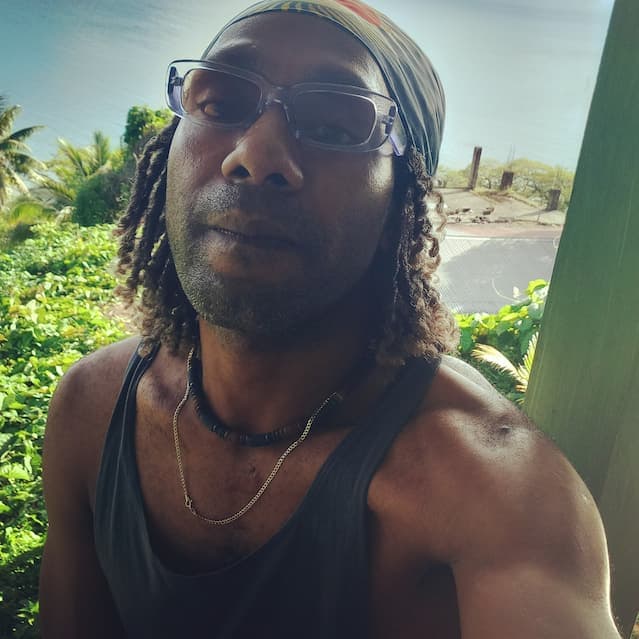
As the Youth President of Bua, this experience has been deeply personal. Carrying the responsibility of representing youths—especially those who may feel too shy or unheard to speak up—is not always easy.
There are moments when the role feels overwhelming and even intimidating. But in those moments, I’ve learned to pause, reflect, and find strength in the purpose of the work. This journey is shaping me to become more resilient, more grounded, and more responsive as a leader.
Learning from the Ground Up
There is something powerful about sitting with people in their own spaces—sharing stories, exchanging ideas, and learning directly from them. These engagements revealed not just the challenges our youths face, but also the root causes behind them.
It also gave us an opportunity to explore solutions together—ways to improve livelihoods, strengthen community safety, and create better opportunities for young people.
Empowering Through Knowledge and Leadership
One key takeaway is the urgent need to continue empowering our youths through:
Knowledge sharing on traditional practices
Leadership development within youth groups
Creating safe and engaging spaces for interaction
Delivering awareness programs on pressing social issues
Our youths have potential. What they need is consistent encouragement, guidance, and opportunities to grow into who they aspire to be.
A moment of downtime with the team. In Fiji, the best work happens when there’s a shared smile and a common goal.
Challenges and Opportunities Ahead
While many youth groups in Bua are registered under the Ministry of Youth and Sports, a concerning number are not submitting their monthly reports. These reports are more than paperwork—they are indicators that youth groups are active, engaged, and progressing.
This is an area I am committed to improving. As a leader, it is my responsibility to check in, support, and ensure that no group is left behind.
Beyond this, there is still significant work to be done in terms of development and economic opportunities. More importantly, there is a need for a shift in mindset—from our traditional leaders to our grassroots youths. Transformation must happen collectively.
Facing Climate Realities
Our visits to coastal communities were a sobering reminder of the impacts of climate change. Receding shorelines are no longer distant concepts—they are visible realities affecting homes and livelihoods.
Yet, within these challenges lie opportunities—to learn, to adapt, and to act with urgency.
A Call to Action
This journey has reaffirmed one thing: the time to act is now.
Each of us has a role to play in building stronger, safer, and more resilient communities. Whether through small acts of service, leadership, or simply showing up for others—every contribution matters.
So I leave you with this question:
What can you do today to make your community a better place for tomorrow?
📧 Subscribe to Updates
Get notified when new posts are published on Vulavula Dre.
We respect your privacy. Unsubscribe anytime by replying to our emails.